Cart
0
Table of Contents
- What Makes Durable Indian Cotton Homewares Different
- Benefits of 100% Indian Cotton for Homewares
- Hand Block Printed Cotton Homewares: Craftsmanship That Endures
- Quick Comparison: 10 Durable Pieces for Every Space
- Bedding & Quilts That Withstand Years of Use
- Table Linens Built for Everyday Elegance
- Accessories & Throws for Long-Lasting Style
- How to Care for Indian Cotton Textiles to Maximise Longevity
- Why Handcrafted Cotton Outperforms Mass-Produced Synthetics
- Styling Durable Indian Cotton in Modern Homes
- Frequently Asked Questions
Last Updated: September 27, 2026
What Makes Durable Indian Cotton Homewares Different
Durable Indian cotton homewares improve with age, unlike mass-produced synthetics that degrade within seasons. The difference lies in three factors: 100% Indian cotton breathes naturally and regulates moisture; hand-block printing with natural dyes fades gracefully rather than cracking; and hand-stitching or traditional looms build strength industrial machinery cannot replicate.
The most durable homewares become softer, more beautiful, and more integral to your home with every wash. The question isn't upfront cost, it's whether you're willing to invest in pieces your children might inherit.
Pro Tip
Hand-block printed designs created with natural dyes develop a unique patina over time. Slight colour variation and occasional dye marks aren't flaws, they're proof of authenticity and artisanal creation.
Benefits of 100% Indian Cotton for Homewares
Pure Indian cotton is breathable (preventing moisture-trapped mildew), holds natural dyes evenly through repeated washing, and has longer staple fibres that resist pilling and tearing. Unlike synthetics that degrade with washing, 100% cotton softens and strengthens, which is why handwoven khadi throws and hand-block printed tablecloths withstand decades of use.
Key Takeaway
The durability advantage of Indian cotton isn't marketing, it's physics. Longer fibres, natural dye acceptance, and breathability all contribute to textiles that outlast their cheaper alternatives by years.
Hand Block Printed Cotton Homewares: Craftsmanship That Endures
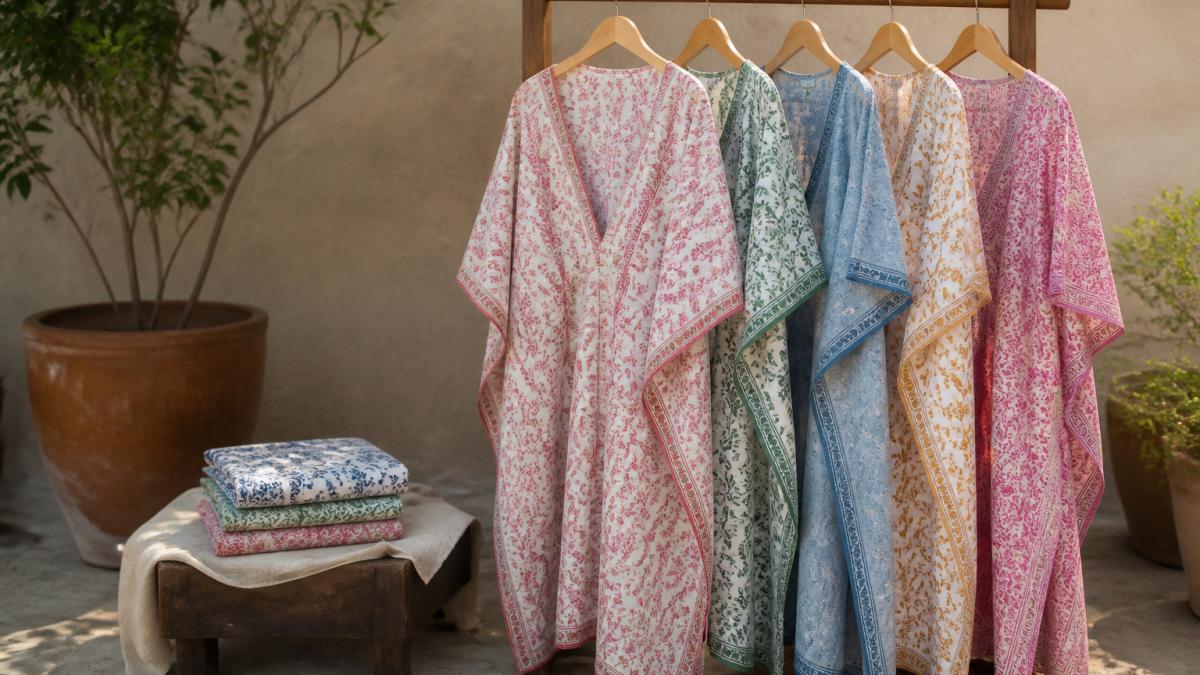
Hand-block printing is an ancient technique where artisans carve designs into wooden blocks, apply natural dye by hand, and stamp each section individually, a process taking hours per piece.
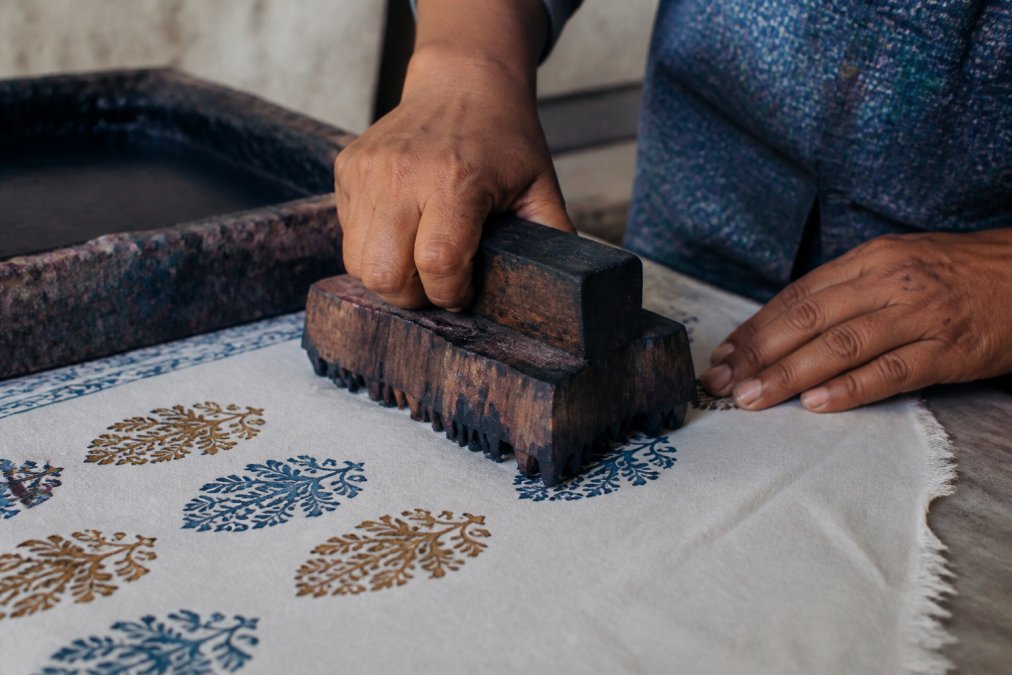
Hand-block printing forces dye deep into cotton fibres, so colour becomes part of the fabric and holds vibrancy. Slight imperfections, bolder corners, subtle pattern shifts, prove human craftsmanship and strengthen the textile psychologically.
The Dwarka tablecloth exemplifies this: hand-block printed with double borders for reinforcement and designed for durability, its natural dyes deepen rather than fade.

Best For
Anyone who wants homewares that tell a story and improve with time. If you're buying décor you expect to replace in five years, hand-block printing isn't for you. If you're furnishing a home you plan to live in for decades, this is the only choice that makes sense.
Quick Comparison: 10 Durable Pieces for Every Space
| Piece | Price | Best For | Durability Feature | Care |
|---|---|---|---|---|
| Dwarka Tablecloth | $75-$95 | Dining tables, everyday use | Heavy-duty cotton, double borders | Machine wash cold |
| Indigo Kantha Bedspread | $210 | Bed covers, throws | Reversible, hand-stitched layers | Delicate wash cold, mesh bag |
| Sarika Jaipuri Razai | $240 | Lightweight quilts, all seasons | 3-layer cotton fill, reversible prints | Hand wash, spot clean preferred |
| Khadi Throw | $89 | Sofas, layering, décor | Handwoven, naturally dyed | Hand wash, line dry |
| Jaisalmer Tablecloth | $75 | Gifting, special occasions | Pure Indian cotton, double borders | Machine wash cold |
| Cot Quilts | $65 | Babies and toddlers | Mul-mul cotton, organic fill | Delicate wash, no bleach |
| Rajat Khadi Kurta | $50 | Loungewear, casual wear | Handwoven, wrinkle-resistant | Hand wash or gentle machine |
| Nikita Tote Bag | $52 | Daily carry, market trips | Double-stitched, hand block printed | Hand wash cold |
| Kala Duffel Bag | $89 | Travel, weekenders | Quilted, fully lined interior | Hand wash to preserve colour |
| Veena Cotton Scarf | $35 | Layering, styling, gifting | 100% Indian cotton, hand printed | Cold hand wash, line dry |
Bedding & Quilts That Withstand Years of Use
The Sarika Jaipuri Razai is a three-layer quilt with hand-block printed outer fabric, thin consistent cotton fill, and hand-done stitching that prevents seam failure. Its reversible design distributes wear evenly and provides two distinct looks.


The Indigo Kantha Bedspread uses traditional kantha stitching, layered fabric cross-stitched with colourful threads, creating a textile that strengthens with use. Both pieces require hand washing or delicate cycles, but with basic care offer lasting quality.
For families with young children, the Cot Quilts offer durability at an accessible price. Made from mul-mul cotton with organic cotton fill, they're gentle on sensitive skin and washable. The reversible design means you get two patterns in one piece.
Table Linens Built for Everyday Elegance
The Dwarka and Jaisalmer tablecloths are pure Indian cotton, hand-block printed with natural dyes, and sewn with double borders for structural reinforcement that prevents fraying. The Dwarka includes matching napkins; the Jaisalmer is more affordable for everyday use or gifting.
Hand-block printed table linens develop character over time, colour variation, dye marks, and subtle print shifts are evidence of handcraftsmanship. Machine wash in cold water with similar colours; natural dyes settle into the fabric and become more vibrant with gentle use.
Watch Out
Avoid bleach and hot water. These break down natural dyes and weaken cotton fibres. Cold water and mild detergent are all you need. Stains often fade naturally over time as the fabric ages.
Accessories & Throws for Long-Lasting Style
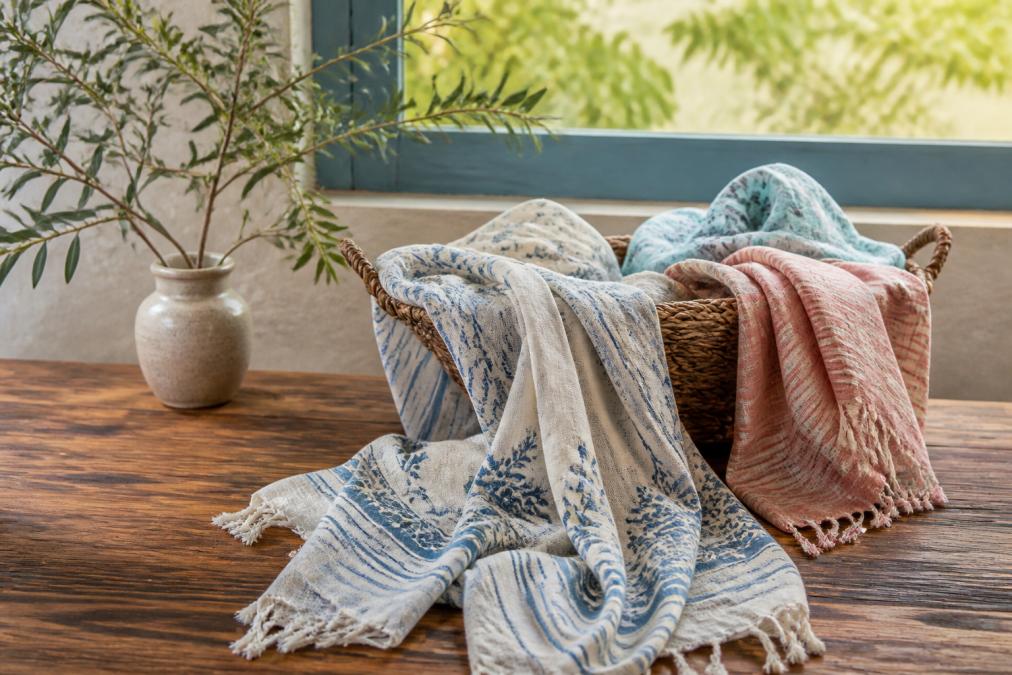
The Khadi Throw is handwoven using traditional methods, creating fabric with exceptional durability and a tighter, more consistent weave than industrial production. The Veena Scarf is 100% Indian cotton, hand-printed with wooden blocks using natural colours.
The Nikita Tote Bag features double-stitched sides and thick interior lining for durability. The Kala Duffel Bag adds quilted design and secure zipper closure for travel. All pieces improve with use, throws soften, scarves develop sheen, bags develop patina synthetic alternatives never achieve.
How to Care for Indian Cotton Textiles to Maximise Longevity
Understanding Fabric Density and Weave Quality Before You Buy
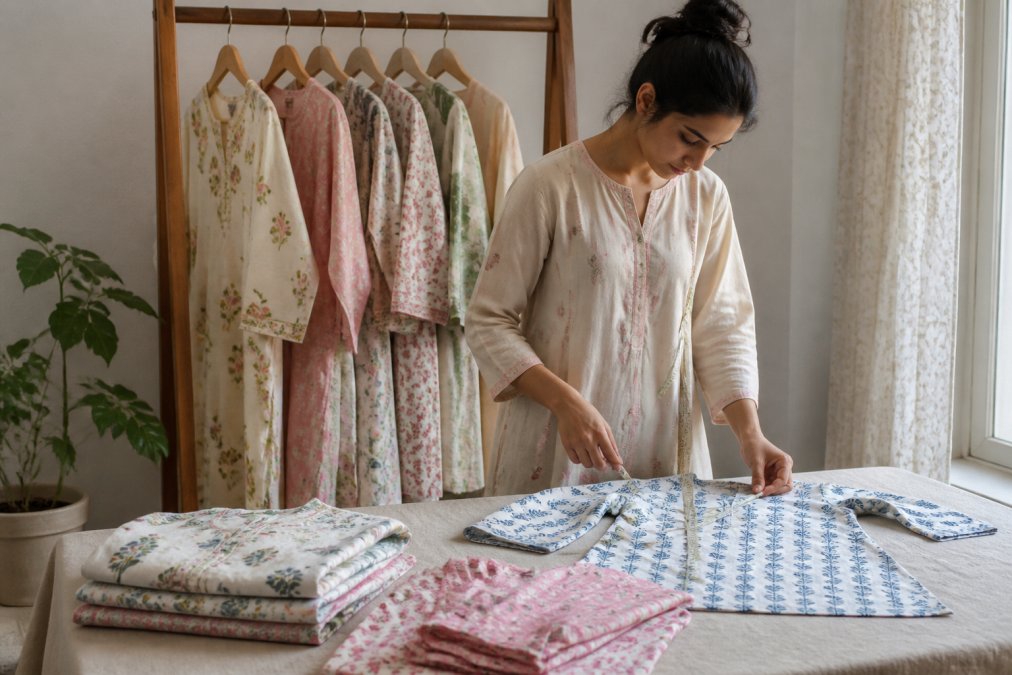
Inspect fabric construction by holding it to light, genuine textiles have consistent weave with no visible gaps. Quality Indian cotton feels smooth and slightly textured, not slippery (synthetic) or stiff (chemical-treated). Check weight: the Dwarka tablecloth at 400-450 grams per square metre is dense enough to resist tearing; pieces under 250 grams show wear faster. Hand-stitched seams are slightly irregular but distribute stress better than uniform machine seams.
Hand Washing (Preferred for Delicate Pieces)
Use cold water and mild natural detergent; avoid optical brighteners. Gently agitate for 3-5 minutes and rinse thoroughly. Water may discolour in early washes (natural dye setting, not bleeding). Genuine natural dyes stabilise quickly; if water remains heavily coloured after five washes, the dye may be synthetic. Quality pieces show minimal colour loss after the third wash.
Machine Washing (Acceptable for Sturdy Pieces)
Use a gentle or delicate cycle with cold water. Wash with similar colours only. Use mild detergent and skip fabric softener, which coats fibres and reduces breathability. The Dwarka and Jaisalmer tablecloths can handle gentle machine cycles, but hand washing extends their life by 30-50% because it eliminates agitation stress.
Never use the dryer. Tumble drying generates heat that weakens cotton fibres and can set stains permanently. Line dry or lay flat to dry. This slower process allows natural dyes to continue setting and deepening.
Stain Treatment and Longevity Testing
Fresh stains often respond to cold water alone. For stubborn stains, soak in cold water with a small amount of mild detergent for 30 minutes, then rinse. Avoid bleach entirely; it breaks down natural dyes and weakens cotton fibres by up to 40%.
Natural dyes continue to set and deepen for the first several washes. Your hand-block printed piece will actually look better after this period than it does new. This is the opposite of synthetic dyes, which fade immediately and unevenly.
Storage and Environmental Factors
Store in a cool, dry place away from direct sunlight. Avoid plastic containers, which trap moisture and encourage mildew. Cotton breathes, so use fabric storage bags or open shelving. Occasional air exposure prevents mustiness and allows residual moisture to evaporate.
Direct sunlight fades natural dyes over time, but this fading is gradual and even, another sign of quality. Synthetic dyes fade in blotchy patterns.
The Longevity Benchmark
A genuinely durable piece should show these signs after regular use: colours are deeper and more vibrant, not faded; the fabric is softer but structurally intact; seams remain secure with no fraying; and the piece has developed a subtle sheen from handling. If your textile shows pilling, unravelling seams, or uneven fading, it was not constructed for longevity, regardless of price or marketing claims.
Pro Tip
Natural dyes continue to set and deepen for the first several washes. Your hand-block printed piece will actually look better after several washes than it does new. This is the opposite of synthetic dyes, which fade immediately.
The key principle: treat handcrafted textiles with the same care you'd give to something you plan to keep for decades. Because that's exactly what they are.
Why Handcrafted Cotton Outperforms Mass-Produced Synthetics
The durability gap between handcrafted Indian cotton and mass-produced synthetics isn't subtle. It's measurable across every dimension: fibre strength, colour retention, structural integrity, and longevity.
Mass-produced synthetic blends prioritise cost and speed. Polyester and cotton blends are cheaper to produce, faster to dye with industrial chemicals, and easier to machine print. But synthetics degrade. The fibres break down under UV exposure, heat, and repeated washing. Polyester pills, meaning tiny balls of fibre form on the surface. Colours fade unevenly because synthetic fibres don't accept dye evenly.
Handcrafted Indian cotton prioritises durability and beauty. The cotton is selected for fibre length and strength. Natural dyes are applied by hand, which means they penetrate the fabric rather than sitting on the surface. Stitching is done with precision, often by hand, which distributes stress more effectively than industrial seaming.
Dwarka | Tablecloth w Napkins →
The result is textiles that improve with age. A handwoven khadi throw becomes softer after 50 washes. A hand-block printed tablecloth's colours deepen. A kantha bedspread's stitching becomes more pronounced as the fabric softens around it.
Mass-produced alternatives deteriorate. They look worn, not aged. Colours fade unevenly. Seams fray. Fabric pills. After five years, they're ready for disposal.
This isn't snobbery, it's practical economics. A $95 tablecloth that lasts for many years costs less per year than a cheaper tablecloth that lasts only a short time. The handcrafted piece is the investment. The synthetic is the disposable item.
Styling Durable Indian Cotton in Modern Homes
Hand-block printed Indian textiles work beautifully in contemporary spaces, but styling depends partly on understanding the regional craft tradition behind each piece. Different printing techniques create distinct visual languages, and knowing which region a textile comes from helps you style it intentionally.
Understanding Regional Craft Variations
Indian hand-block printing isn't monolithic. Three major traditions dominate the market, each with distinct aesthetic and durability characteristics:
Bagru Printing (Rajasthan) uses natural dyes applied through wooden blocks, creating bold, geometric patterns with earthy tones, indigo, madder red, mustard yellow. Bagru pieces are dense and structured, ideal for anchoring a room. The patterns are repetitive and architectural, so they work well in minimalist spaces where a single Bagru tablecloth or throw becomes the focal point. Bagru textiles suit contemporary homes with clean lines and neutral palettes because the geometry complements rather than competes with modern design.
Dabu Printing (Rajasthan) uses a resist-paste technique, creating softer, more organic patterns with subtle colour variation. Dabu prints are lighter and more fluid than Bagru, with a watercolour quality. These pieces work beautifully in eclectic or bohemian spaces where layering multiple patterns is intentional. A Dabu bedspread pairs well with other hand-printed textiles because the softer aesthetic creates visual harmony rather than clash.
Kalamkari Printing (Andhra Pradesh and Tamil Nadu) is hand-painted using a fine brush and natural dyes, creating intricate, narrative patterns often depicting mythological scenes or botanical motifs. Kalamkari is the most labour-intensive technique and the most delicate visually. These pieces should be displayed as art: a Kalamkari wall hanging, a scarf displayed on a shelf, or a throw draped deliberately over furniture. In a modern home, one Kalamkari piece works as a statement; multiple pieces compete for attention.
Layering Strategy by Regional Aesthetic
Start with neutral walls and flooring. Layer in one or two statement pieces based on the regional tradition:
-
Bagru-dominant rooms: One bold Bagru tablecloth or bedspread anchors the space. Keep everything else simple, natural wood furniture, neutral textiles, minimal additional pattern. The geometry of Bagru prints is strong enough to carry the entire room's visual weight.
-
Dabu-layered rooms: Dabu's softer aesthetic allows for multiple pieces. A Dabu bedspread, a Dabu throw, and a Dabu cushion cover can coexist without overwhelming because the patterns share a visual language. Add natural wood and woven accessories (rattan, jute) to reinforce the organic quality.
-
Kalamkari as focal art: Display Kalamkari pieces as you would a painting. A Kalamkari wall hanging in a simple frame, a Kalamkari scarf on a shelf, or a Kalamkari throw draped over a single chair. Pair with minimal additional pattern to let the intricate detail speak.
Colour Harmony from Natural Dyes
All three traditions use natural dyes, indigo, madder, turmeric, pomegranate, walnut, which creates an inherent colour palette. These dyes complement each other naturally because they come from the same source. A room with one hand-block printed piece in indigo and another in madder red feels cohesive because both colours are grounded in natural pigment chemistry.
Mix regional traditions cautiously. Bagru's geometric boldness and Dabu's organic softness can clash if both are equally prominent. If you're combining traditions, let one dominate and use the other as accent. For example, a Bagru tablecloth as the primary anchor, with a Dabu throw as secondary layering.
Scale and Proportion
A small accent, a Veena Scarf draped over a sofa arm, a Nikita Tote displayed on a shelf, a Kalamkari cushion cover, adds character without overwhelming. A large piece like a bedspread or tablecloth becomes the room's anchor and should be the visual focal point.
In a bedroom, a Sarika Jaipuri Razai (reversible quilt) works as the bed's primary visual element. Keep the wall behind the bed neutral so the quilt's pattern is the focus. In a dining room, a Dwarka tablecloth with matching napkins becomes the table's anchor; keep the wall and chairs simple.
Modern Minimalism and Handcrafted Textiles
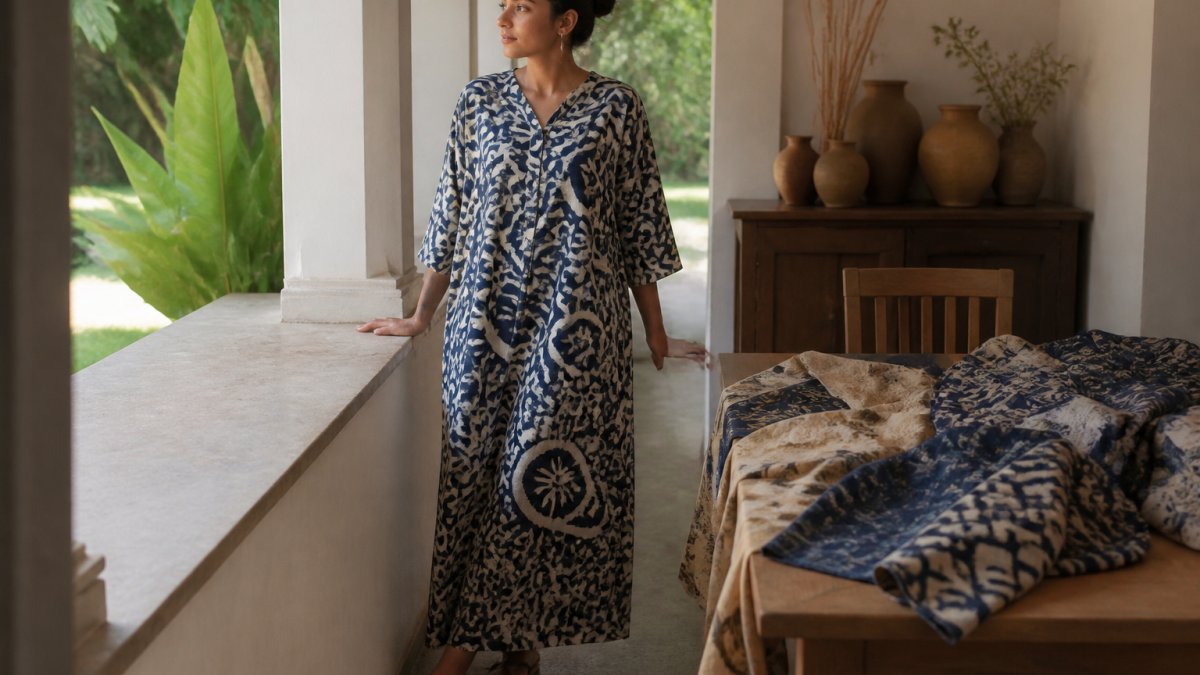
A sparse, clean room gains warmth and authenticity from a single hand-block printed piece. The craftsmanship becomes more visible when it's not competing with other patterns. A minimalist bedroom with white walls, natural wood furniture, and a single Bagru bedspread in indigo and cream feels intentional and grounded. The textile's hand-printed imperfections, the slight irregularities in the pattern, the variation in dye saturation, become the room's visual interest.
This approach also highlights durability. When a piece is displayed prominently, you notice how it ages. After a year, the colours deepen, the fabric softens, and the craftsmanship becomes more apparent. This visible longevity is the opposite of fast furniture, which deteriorates visibly.
Practical Integration in High-Traffic Spaces
Tablecloths and throws in dining and living areas should be pieces you're willing to use, not display-only textiles. The Dwarka tablecloth is designed for everyday dinner parties; it improves with use. The Khadi Throw is meant to be draped, sat on, and washed regularly. These pieces develop patina, a subtle sheen, softened edges, deepened colours, that synthetic alternatives never achieve. This patina is proof of longevity.
For families with children or pets, choose sturdy pieces like Bagru or Dabu textiles in darker colours (indigo, madder red) that hide stains and show wear gracefully. Kalamkari, with its intricate detail, is better suited to lower-traffic spaces or display-only contexts.
Key Takeaway
Handcrafted Indian cotton homewares are built to last because artisans design for longevity, not replacement cycles. Understanding the regional craft tradition behind each piece, Bagru's geometry, Dabu's softness, Kalamkari's intricacy, helps you style intentionally and appreciate the craftsmanship as it ages.
Frequently Asked Questions
How do I know if durable Indian cotton homewares are actually hand block printed and not machine-made?
Authentic hand block printed cotton shows subtle variations in colour intensity, slight imperfections in pattern alignment, and uneven dye saturation, these are hallmarks of artisan work. Machine printing produces uniform, perfectly aligned patterns. Handcrafted pieces often feature occasional dye marks or splotches, which add character and prove authenticity. Each item is genuinely one of a kind, unlike mass-produced alternatives with identical repetition across pieces.
What are the main benefits of 100% Indian cotton compared to synthetic blends?
Pure Indian cotton is naturally breathable, allowing air circulation that regulates body temperature and prevents moisture buildup. It's softer and gentler on skin than synthetics, becoming more comfortable with each wash. Indian cotton has superior durability, it resists pilling and maintains its integrity through hundreds of washes. It also accepts natural dyes more effectively, creating richer, more authentic colours. Unlike synthetics, cotton is biodegradable and supports sustainable production when sourced ethically.
How should I care for hand block printed Indian cotton textiles to ensure they last for years?
Always wash in cold water with similar colours to prevent dye bleeding. Use gentle, eco-friendly detergents and avoid bleach and harsh chemicals. Hand wash delicate items like quilts and kantha bedspreads; machine wash table linens on a delicate cycle in a mesh bag. Never tumble dry, air dry or line dry instead to preserve fabric integrity and vibrant colours. For quilts with natural dyes, spot washing is preferred. Store textiles in a cool, dry place away from direct sunlight to prevent fading.
Are handcrafted Indian cotton homewares from ethical suppliers actually worth the investment?
Yes. Ethical sourcing ensures artisans, particularly women makers, receive fair compensation for their labour and skill. Handcrafted pieces outlast mass-produced alternatives by years, making the per-use cost lower over time. Each item carries cultural significance and a story of traditional craftsmanship. Supporting ethical producers preserves centuries-old techniques and communities. Quality construction, natural materials, and timeless designs mean these pieces become cherished heirlooms rather than disposable homewares.
Can I use bold hand block printed cotton pieces in a minimalist or modern home?
Absolutely. Hand block printed designs work beautifully in contemporary spaces when used strategically. Layer a single printed throw or bedspread with neutral walls and simple furnishings to let the textile shine as a focal point. Use printed table linens to add visual interest to dining areas without overwhelming the space. Smaller pieces like scarves or tote bags introduce colour and pattern without commitment. The key is balance, pair one statement textile with restrained decor, allowing the artisanal quality and natural colours to enhance rather than clash with modern aesthetics.