Cart
0
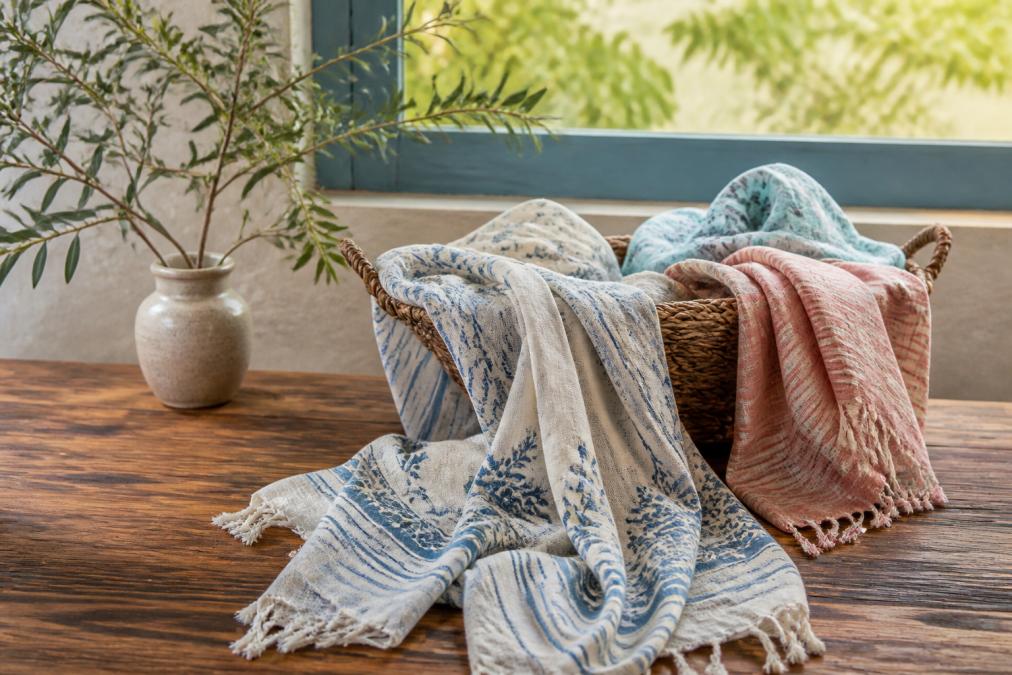
Table of Contents
- What Makes Indian Cotton Scarves Different
- Material Composition and Fabric Quality
- Dimensions, Weight and Texture Profiles
- Best Breathable Fabrics for Summer Loungewear 2026
- Hand Block Printed Textiles Care Guide
- How to Style Cotton Scarves
- Cultural Significance and Textile Heritage
- Identifying Authentic Hand Block Printed Scarves
- Ethical Sourcing and Artisan Support
- Frequently Asked Questions
Last Updated: September 25, 2026
What Makes Indian Cotton Scarves Different
Indian cotton scarves stand apart because of how they're made and what they're made from. Unlike mass-produced alternatives, indian cotton scarves crafted by artisans use 100% cotton combined with natural dyes and hand block printing techniques that have been refined over centuries. This combination creates textiles that breathe, age beautifully, and carry genuine cultural significance.
The difference shows up immediately. Hand block printed scarves feature slight variations in pattern and colour intensity, marks of authentic craftsmanship rather than flaws. Each scarf tells a story of the artisan who created it. At Bombay Artisans, we work directly with women artisans in India to bring these pieces to customers who value quality over quantity.

What makes these scarves truly different is durability paired with softness. A well-made indian cotton scarf won't pill, fade dramatically, or lose shape after washing. The natural dyes used in traditional production create colours that mellow and deepen with time, becoming richer rather than fading to grey.
Material Composition and Fabric Quality
The foundation of any quality indian cotton scarf is the material itself. Understanding what you're buying helps you make informed decisions about longevity and performance.
100% Cotton and Natural Dyes
Pure cotton is the standard for traditional Indian scarves. Natural dyes, derived from plants, minerals, and other organic sources, create colours that develop character over time. Unlike synthetic dyes, natural dyes often improve with age and washing, becoming softer and more nuanced.
Cotton sourced from India tends to be tightly woven, creating fabric that's simultaneously breathable and durable. This tight weave prevents pilling and extends the life of the scarf significantly. Tightly woven cotton also holds natural dyes more effectively than loosely constructed fabrics, which means colours remain vibrant longer.
The weight of cotton matters. Heavier cotton provides structure and drape, making scarves versatile for both casual and formal styling. Lighter cotton breathes better in warm weather but may require more careful handling. Bombay Artisans sources cotton that balances these qualities, creating scarves suitable across seasons.
Hand Block Printing Techniques
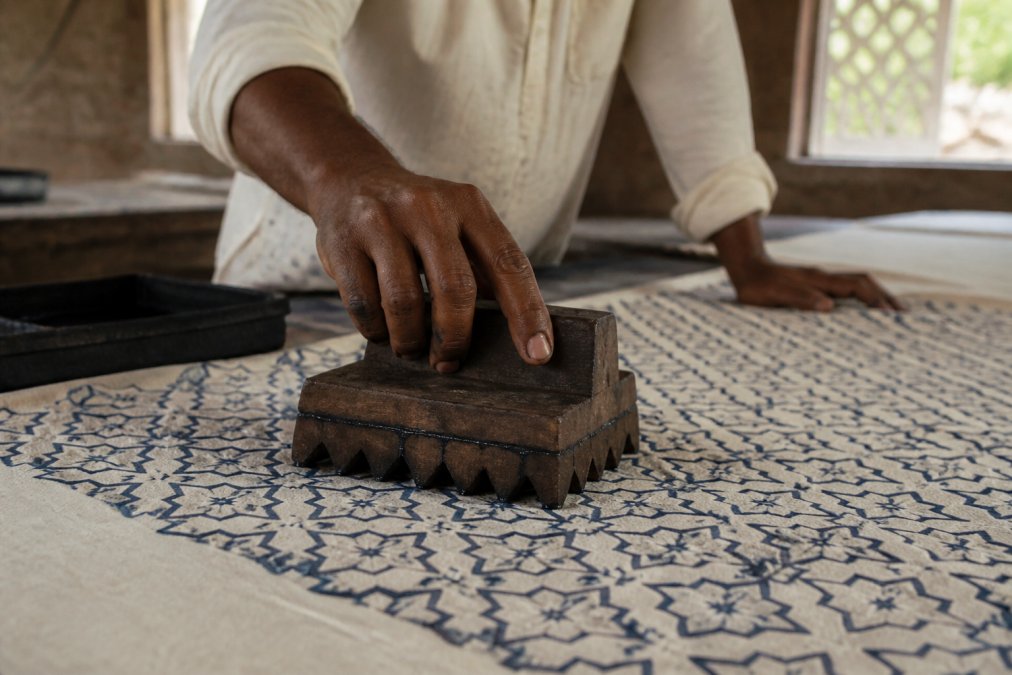
Hand block printing is labour-intensive, which explains why authentic pieces cost more than digitally printed alternatives. Artisans carve wooden blocks with intricate patterns, then hand-press them onto fabric using natural dyes. This process means no two scarves are identical; variations in pressure, dye saturation, and alignment create uniqueness.
The technique produces a soft print that sits on the fabric surface without stiffness. Digital printing, by contrast, often creates a plastic-like feel because dyes are forced deep into fibres under high pressure. Hand block printed textiles remain supple and comfortable against skin.
Identifying authentic hand block printing requires attention. Look for slight irregularities in pattern repetition, colour variation across the scarf, and a natural feel to the print. Genuine hand block printed scarves show where the wooden block edges meet, a subtle line that repeats consistently. Digital prints appear perfectly uniform, which is actually a sign of machine production.
Dimensions, Weight and Texture Profiles
Practical specifications matter when choosing an indian cotton scarf. Most traditional Indian cotton scarves measure approximately 183 centimetres long by 56 centimetres wide, dimensions that work for draping, wrapping, and styling in multiple ways. This size sits between a small bandana and a full shawl, offering genuine versatility.
Weight typically ranges from lightweight to medium. Lightweight scarves (around 100-150 grams) work well for summer and layering. Medium-weight scarves (150-250 grams) provide more structure and warmth, making them suitable for year-round wear. The Veena scarf from Bombay Artisans, for example, is made with 100% Indian Cotton, known for its softness and durability.
Texture varies based on weave density and fibre preparation. Hand-woven khadi scarves, like the Kali Mirch and Megha options from Bombay Artisans, feature a slightly irregular texture that's part of their appeal. This texture develops from the hand-weaving process and creates visual interest. Machine-woven cotton scarves feel smoother but may lack the character of hand-woven alternatives.

The absorbency of quality cotton makes these scarves practical beyond fashion. Cotton naturally absorbs moisture, making scarves useful for wiping hands, wrapping around the neck in warm weather, or draping over shoulders for sun protection.
Best Breathable Fabrics for Summer Loungewear 2026
When selecting cotton scarves for summer wear or as part of a loungewear collection, breathability becomes the primary consideration. Quality indian cotton scarves excel here because cotton fibres allow air circulation while maintaining structural integrity.
Lightweight hand block printed cotton scarves work best for summer. The natural dyes used in traditional production don't trap heat the way synthetic dyes sometimes do. Colours created from plant-based sources have been used across centuries in hot climates.
Scarves with looser weaves breathe more effectively than tightly woven alternatives, though very loose weaves sacrifice durability. The ideal balance sits in medium-weight, tightly woven cotton that allows airflow without compromising longevity. Khadi fabric, traditionally used for summer clothing in India, exemplifies this balance.
For summer styling, lighter colours perform better than dark shades. Dark colours absorb more heat, while lighter natural dyes, cream, soft blues, pale yellows, reflect warmth. Bombay Artisans offers several options suitable for warm weather, including the Megha Khadi Scarf with its light blue and white stripes.

Hand Block Printed Textiles Care Guide
Proper care extends the life of hand block printed scarves dramatically. Understanding textile care science helps you maintain both structure and colour integrity.
Washing and Drying Best Practices
Cold hand washing is essential for preserving hand block printed textiles. Hot water can set stains and may cause colour bleeding, particularly with natural dyes during the first few washes. Fill a basin with cool water, add mild detergent (avoid bleach and optical brighteners), and submerge the scarf gently.
Agitate gently for 2-3 minutes, then rinse thoroughly in cool water until the water runs clear. Excess detergent residue weakens fibres over time. Squeeze out excess water without wringing; wringing creates stress points that can weaken the fabric structure.
Drying matters as much as washing. Lay the scarf flat on a clean, dry surface or hang it in shade. Direct sunlight can fade natural dyes, particularly reds and oranges. Machine drying is not recommended; tumble action stresses fibres and can cause pilling. Air drying preserves the fabric's integrity and allows natural dyes to settle into the cotton properly.
Washing frequency affects longevity. Wash scarves only when necessary. Spot-cleaning small marks extends the time between full washes.
Maintaining Colour and Pattern Integrity
Natural dyes require different care than synthetic alternatives. During the first 3-4 washes, some colour bleeding is normal and expected. This doesn't indicate poor quality; it's part of how natural dyes work. Washing separately during initial washes prevents colour transfer to other garments.
Over time, natural dyes actually improve. Colours mellow and develop depth, becoming richer rather than fading to grey.
Storage affects colour preservation. Keep scarves in a cool, dark place away from direct sunlight. Prolonged exposure to light fades natural dyes gradually. Folding is acceptable, though rolling scarves around acid-free tissue prevents permanent creases.
Stain treatment should be immediate but gentle. Blot fresh stains with cool water and mild soap rather than rubbing. Avoid commercial stain removers, which often contain harsh chemicals incompatible with natural dyes.
How to Style Cotton Scarves
Versatility is one reason indian cotton scarves appeal to conscious consumers. A single scarf works across multiple styling contexts, from casual to professional.
Kali Mirch (Salt & Pepper) ~ Khadi Scarf →
Casual and Professional Styling
Casual styling leverages the scarf's colour and pattern as a statement piece. Drape a hand block printed scarf over the shoulders of a simple white shirt or neutral sweater. The pattern becomes the visual focus without overwhelming the outfit. For warmer weather, tie the scarf loosely around the neck or let it hang open over a linen shirt.
Professional settings call for more structured styling. Fold the scarf into a triangle and tie it as a headwrap or turban for a polished look. Alternatively, drape it diagonally across the chest and secure at one shoulder with a brooch. This approach adds visual interest while maintaining professional boundaries.
Scarves work as belts when wrapped around the waist over dresses or loose tunics. This creates definition and showcases the hand block print pattern. The technique works particularly well with neutral-coloured dresses, allowing the scarf's colours to anchor the outfit.
As a tote bag wrap, scarves add texture and colour to simple canvas bags. Tie two opposite corners around the bag handles to create a protective layer that also signals intentionality about fashion choices.
Seasonal Styling Approaches
Summer styling emphasises lightness and breathability. Wear scarves loose and flowing, allowing air circulation. Light-coloured hand block printed cotton scarves, like the Veena design from Bombay Artisans, work beautifully with summer linens and lightweight cottons. Wrap the scarf around your head as a sun protection layer, securing it loosely for comfort.
Autumn styling incorporates layering. Drape the scarf over a cardigan or jacket, allowing the print to peek through. This creates visual depth and transitions the scarf from summer accessory to autumn staple. Darker natural dye colours, deep indigos, rich reds, pair well with autumn palettes.
Winter styling uses scarves for warmth and structure. Wrap the scarf around the neck multiple times for insulation, or drape it shawl-style over shoulders under a coat. Heavier hand-woven khadi scarves, like the Kali Mirch or Megha options, are known for their strength and longevity.
Spring styling celebrates renewal through lighter colours and looser draping. Scarves transition from winter weight to summer lightness. Pair spring-appropriate scarves with pastels and fresh fabrics to signal seasonal change.
Cultural Significance and Textile Heritage
Hand block printed textiles carry centuries of cultural meaning. Understanding this heritage adds depth to wearing and caring for these pieces.
Indian textile traditions span millennia. Block printing emerged as a refined art form in regions like Rajasthan and Gujarat, where artisans developed techniques still used today. Each region developed distinctive patterns reflecting local aesthetics, natural dye availability, and cultural traditions. The geometric designs of Rajasthani block printing differ from the floral motifs of other regions, each telling stories about the communities that created them.
Natural dyes connected textile production to the landscape. Indigo came from specific plants; madder created reds; turmeric produced yellows. Artisans understood which plants grew in their regions and how to extract colour from them. This knowledge, passed through generations, represents accumulated wisdom about chemistry, agriculture, and art.
Wearing hand block printed indian cotton scarves supports this heritage. By choosing authentic pieces over mass-produced alternatives, consumers signal that textile traditions matter. This demand helps sustain artisan communities and keeps traditional techniques alive in an era of industrial production.
The scarf itself holds cultural significance in Indian contexts. It represents connection to heritage, respect for craftsmanship, and appreciation for slow fashion principles. Wearing these scarves, whether as a practical accessory or deliberate fashion choice, honours the artisans and traditions behind them.
Identifying Authentic Hand Block Printed Scarves
Distinguishing genuine hand block printed scarves from machine-printed imitations requires attention to specific details.
Authentic hand block printing shows imperfection as proof. Pattern lines won't be perfectly straight; dye saturation varies slightly across the fabric; the wooden block edges create subtle alignment shifts that repeat consistently. These variations indicate human hands guided the process.
Examine the back of the scarf. Hand block printed fabric shows dye on both sides, though the reverse side appears lighter and less defined. Digital printing creates a sharp delineation between printed and unprinted areas, with the reverse side appearing largely blank or showing only faint impressions.
Feel the fabric. Hand block printed cotton maintains its natural texture and softness. The print sits on the surface without stiffness. Digital printing often creates a slightly plastic feel because dyes are forced deep into fibres under pressure.
Ask about the production process. Legitimate artisans can describe their techniques, the natural dyes they use, and the time required to create each piece. Vague responses about "traditional methods" without specifics should raise questions. Bombay Artisans works directly with women artisans using traditional techniques like hand block printing, natural dyes, and 100% Indian cotton.
Check for consistency across multiple pieces. If you examine several supposedly hand block printed scarves and they appear identical, that's a red flag. Authentic hand block printing creates variation; identical pieces indicate machine production.
Ethical Sourcing and Artisan Support
Choosing ethically sourced indian cotton scarves means understanding where your money goes and who benefits from your purchase.
Direct relationships between retailers and artisans ensure fair compensation. When middlemen are removed, artisans receive larger portions of the sale price. Bombay Artisans works directly with women artisans in India, ensuring that those creating the pieces benefit fairly from their labour.
Supporting women artisans specifically addresses economic disparities. Many traditional textile communities rely on women's labour, yet women often receive lower compensation than men for identical work. Choosing brands that prioritise women's economic empowerment creates systemic change.
Transparency matters. By purchasing hand block printed indian cotton scarves from ethical sources, you participate in sustaining traditional crafts and supporting artisan communities. Each purchase becomes an investment in cultural preservation and economic justice.
Indian cotton scarves represent more than practical accessories; they're connections to centuries of textile heritage and direct support for artisan communities. Quality hand block printed cotton scarves from Bombay Artisans combine 100% natural cotton with traditional techniques and natural dyes, creating pieces that age beautifully and reward careful stewardship. With proper care and thoughtful styling, these scarves become cherished elements of your wardrobe and home. Shop authentic hand block printed scarves from Bombay Artisans today and bring warmth, colour, and timeless character to your everyday life.
Frequently Asked Questions
How can I tell if an Indian cotton scarf is truly hand block printed and not mass-produced?
Authentic hand block printed scarves show slight irregularities in the pattern, colour variation across the fabric, and visible hand-stitching along edges. Machine-printed pieces have perfectly uniform patterns and consistent colour throughout. Look for natural dye variations where the colour appears slightly uneven or mottled; this indicates genuine hand application. Artisan-made pieces often include a story about the maker or production method, and reputable brands like Bombay Artisans source directly from women artisans using traditional wooden block techniques.
What are the benefits of wearing 100% Indian cotton scarves?
100% Indian cotton offers exceptional breathability, making scarves comfortable year-round. Cotton is naturally absorbent, skin-friendly, and hypoallergenic, making it ideal for sensitive skin. Hand block printed cotton scarves using natural dyes are free from synthetic chemicals, supporting sustainable fashion. Indian cotton is tightly woven and durable, resisting pilling and lasting through many washes. The fabric's versatility means one scarf works for casual outfits, professional settings, and seasonal styling, providing excellent value as a timeless accessory.
How do I wash and maintain hand block printed textiles to preserve colour and pattern?
Hand block printed textiles require cold hand washing separately from other garments to prevent dye bleeding. Use gentle detergent and avoid harsh scrubbing. Never tumble dry; instead, lay flat or hang to air dry away from direct sunlight, which can fade natural dyes. Wash in cold water before the first wear to set the dyes. Store scarves in a cool, dry place away from humidity. With proper care, hand block printed cotton scarves maintain their vibrant colours and pattern integrity for years, becoming softer and more comfortable with each wash.
Can Indian cotton scarves work in a modern, minimalist home or wardrobe?
Yes. While hand block printed scarves feature bold geometric designs and ethnic patterns, their versatility allows integration into minimalist spaces and wardrobes. Neutral-toned scarves with subtle prints complement modern aesthetics without overwhelming a room or outfit. Layer a patterned scarf with solid-coloured clothing to let the textile art shine without clashing. Use scarves as focal points in otherwise neutral spaces; a single hand block printed piece adds character and cultural depth to minimalist interiors. The key is intentional placement rather than matching everything; one statement textile piece often works better in minimalist design than multiple competing patterns.